
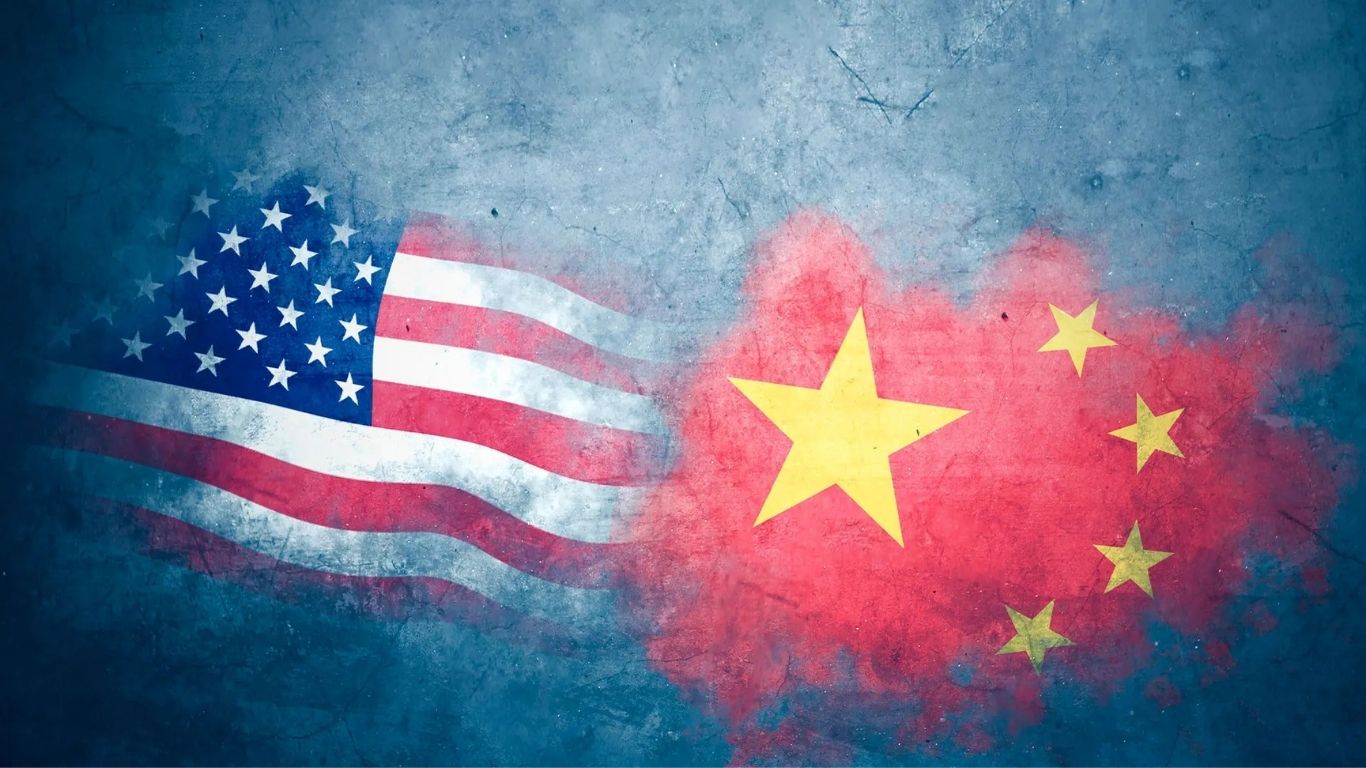
Diplomatic meetings between global leaders usually begin with carefully chosen words, polite smiles, and promises of cooperation. Yet behind those public gestures, difficult conversations often wait quietly in the background. That contrast became clear during the recent talks between Chinese President Xi Jinping and former U.S. President Donald Trump. The meeting opened with friendly language about economic ties and future collaboration, but the tone shifted dramatically once the discussion moved toward Taiwan.
The summit quickly became one of the most closely watched political events in the world. Investors, governments, military analysts, and international media outlets followed every statement because the relationship between China and the United States affects global trade, technology, security, and diplomacy. While both leaders initially focused on stability and partnership, Xi later delivered a direct warning about Taiwan, making it clear that China views the issue as a critical national concern.
Article Outline
- H1: First Talk of Friendship, Then a Warning: Xi Sends a Strong Message on Taiwan During Talks With Trump
- H2: Why the Meeting Drew Global Attention
- H3: Rising Competition Between China and America
- H3: International Concerns Surrounding the Summit
- H2: A Diplomatic Beginning
- H3: Friendly Exchanges Between Xi and Trump
- H3: Economic Cooperation as an Early Focus
- H2: Taiwan Becomes the Main Topic
- H3: Xi Jinping’s Firm Position
- H3: Why Taiwan Is So Important to Beijing
- H4: Historical Roots of the Dispute
- H4: China’s Push for Reunification
- H2: America’s Approach Toward Taiwan
- H3: U.S. Support and Strategic Interests
- H3: Trump’s Political Challenges
- H2: Taiwan’s Role in the Global Economy
- H3: Semiconductor Production and Technology
- H3: Strategic Importance of the Taiwan Strait
- H2: Economic Pressure and Trade Concerns
- H3: Tariffs and Trade Disputes
- H3: Business Reactions to the Summit
- H2: Worldwide Reactions to Xi’s Warning
- H3: International Media Coverage
- H3: Taiwan’s Response
- H2: The Future of U.S.-China Relations
- H3: Growing Risks of Confrontation
- H3: Can Diplomacy Reduce Tensions?
- H2: Conclusion
- H2: FAQs
- H2: Why the Meeting Drew Global Attention
Why the Meeting Drew Global Attention
Rising Competition Between China and America
The relationship between China and the United States has changed significantly over the last several years. Instead of focusing mainly on economic cooperation, both countries are now increasingly competing for influence in technology, military power, trade, and global leadership. Because of this shift, every conversation between leaders from Washington and Beijing carries enormous international importance.
The Xi-Trump meeting happened during a period of already heightened tension. Disagreements over trade policies, technology restrictions, cybersecurity, and military activity in Asia had created an atmosphere of mistrust. Many experts believed the summit could either improve communication or deepen existing divisions between the two nations.
At the same time, both countries understand how dependent the global economy is on stable U.S.-China relations. A serious collapse in communication would not only affect the two governments but could also damage international markets, supply chains, and investment confidence worldwide. That reality forced both sides to approach the summit with caution.
International Concerns Surrounding the Summit
Governments across Europe, Asia, and the Middle East closely followed the meeting because its outcome could shape global politics for years. Financial markets reacted to every major headline, while international businesses looked for signs of stability or conflict.
Taiwan became the central reason for this global attention. China considers the island part of its territory, while the United States maintains strong unofficial relations with Taiwan and supports its defensive capabilities. This disagreement has steadily become one of the most dangerous geopolitical issues in the Indo-Pacific region.
Economic concerns also increased the importance of the summit. China and the United States remain deeply connected through trade, manufacturing, and technology. Any major escalation between the two countries could affect industries ranging from electronics and energy to shipping and finance.
A Diplomatic Beginning
Friendly Exchanges Between Xi and Trump
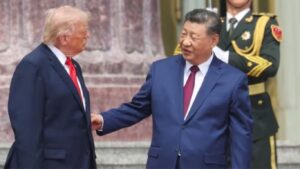
At the start of the summit, both leaders adopted a positive and diplomatic tone. Xi Jinping and Donald Trump exchanged compliments and emphasized the importance of maintaining communication between their countries. Public appearances showed handshakes, formal ceremonies, and carefully planned moments designed to project stability.
Trump described Xi as a strong leader and spoke about the value of cooperation between the world’s two largest economies. Xi responded by saying that partnership and dialogue remain essential for global peace and development.
These public gestures mattered because diplomacy is often shaped as much by symbolism as by policy. Friendly images can calm international concerns and reassure investors who fear sudden political conflict. Even simple statements about cooperation can influence how governments and businesses react to a summit.
However, beneath the respectful language, major disagreements still remained unresolved.
Economic Cooperation as an Early Focus
Trade and economic issues dominated the early discussions between the two leaders. In recent years, tariffs and economic restrictions have complicated relations between Washington and Beijing. Businesses in both countries have struggled with uncertainty, rising costs, and disrupted supply chains.
Trump reportedly focused on improving trade conditions and encouraging stronger economic cooperation. Many American companies depend on access to Chinese markets, making stable relations an important business priority.
China also emphasized economic stability during the talks. Chinese officials argued that trade wars damage both economies and create unnecessary global uncertainty. Beijing hoped to reduce economic pressure while maintaining access to international markets and investment opportunities.
For a brief period, it appeared the summit might remain centered on trade and business cooperation. But that atmosphere changed quickly when Taiwan became part of the conversation.
Taiwan Becomes the Main Topic
Xi Jinping’s Firm Position
The tone of the summit shifted noticeably once Taiwan was discussed. Xi Jinping reportedly warned that mishandling the Taiwan issue could create serious consequences for relations between China and the United States.
Xi described Taiwan as the most sensitive issue in the relationship between the two countries. His comments made it clear that Beijing views the matter as a core national interest that cannot be compromised.
The warning reflected China’s frustration with increasing American involvement in Taiwan’s affairs. Beijing believes U.S. support strengthens pro-independence movements on the island and creates instability in the region.
International observers immediately focused on Xi’s comments because they highlighted the seriousness of the situation. The message was direct and left little room for misunderstanding.
Why Taiwan Is So Important to Beijing
Historical Roots of the Dispute
The conflict surrounding Taiwan dates back to the Chinese Civil War. After the Communist Party gained control of mainland China in 1949, the defeated Nationalist government relocated to Taiwan. Since then, Taiwan and mainland China have operated separately, although Beijing continues to claim the island as part of China.
Over time, Taiwan developed its own democratic political system, economy, and identity. Many people in Taiwan see themselves as separate from mainland China, which has increased political tension between Taipei and Beijing.
For Chinese leaders, reunification with Taiwan is connected to national history and political legitimacy. The issue carries emotional and symbolic importance far beyond ordinary territorial disagreements.
China’s Push for Reunification
Xi Jinping has repeatedly emphasized reunification as an important long-term objective for China. Beijing says peaceful reunification remains the preferred option, but Chinese officials have also stated they are willing to use force if necessary.
China has increased military activity near Taiwan in recent years, including naval patrols and military exercises. These actions are intended to discourage Taiwan from moving toward formal independence.
Nationalism also influences China’s position. Public opinion inside China strongly supports reunification, making the issue politically sensitive for Chinese leaders.
America’s Approach Toward Taiwan
U.S. Support and Strategic Interests
The United States follows a carefully balanced policy regarding Taiwan. Washington officially recognizes the “One China” policy while also maintaining unofficial relations with Taiwan and supporting its self-defense efforts.
This approach allows the United States to maintain strategic flexibility. America does not formally promise military intervention in a crisis, but it also avoids ruling it out completely.
American officials argue that supporting Taiwan helps maintain stability in the Indo-Pacific region. Critics, however, warn that increasing U.S. involvement could raise tensions with Beijing.
Trump’s Political Challenges
Donald Trump faced significant political pressure during the summit. While he wanted stable economic relations with China, he also needed to avoid appearing weak on national security issues.
American political opinion has become more critical of China in recent years. Many lawmakers support stronger ties with Taiwan and view Beijing as a growing strategic rival.
Trump’s unpredictable negotiating style added another layer of uncertainty. Some analysts believed China hoped to gain concessions regarding Taiwan, while others argued Beijing remained cautious about trusting any long-term commitments.
Taiwan’s Role in the Global Economy
Semiconductor Production and Technology
Taiwan holds enormous importance in the global technology industry because of its semiconductor manufacturing sector. Taiwanese companies produce advanced computer chips used in smartphones, artificial intelligence systems, vehicles, medical equipment, and military technology.
These semiconductors are essential to modern life. A disruption in Taiwan’s chip production would affect industries worldwide and could trigger major economic problems.
This economic importance makes Taiwan more than just a political issue. It has become a key part of global supply chains and technological competition.
Strategic Importance of the Taiwan Strait
The Taiwan Strait is one of the most important waterways in Asia. Military and commercial ships frequently pass through the region, making it strategically valuable for both China and the United States.
China has increased military operations near Taiwan, while the United States continues conducting naval activities in nearby waters. Both sides claim their actions are defensive, but the growing military presence increases the possibility of accidents or misunderstandings.
Many experts worry that even a small confrontation could escalate rapidly if tensions continue rising.
Economic Pressure and Trade Concerns
Tariffs and Trade Disputes
Trade disagreements have already created serious challenges for businesses and consumers in both countries. Tariffs raised costs, disrupted supply chains, and created uncertainty in international markets.
During the summit, both governments discussed the importance of economic stability. Companies around the world hoped the meeting would reduce tensions and create more predictable conditions for trade and investment.
At the same time, competition over technology and manufacturing remains intense. Issues involving artificial intelligence, export controls, and technology access continue to shape the economic relationship between the two countries.
Business Reactions to the Summit
International businesses closely monitored the summit because future political decisions could significantly affect global markets. Technology companies, manufacturers, and investors all have major financial interests connected to both China and the United States.
Many corporations fear a future where the world economy becomes divided into separate political and economic blocs. Such a division would force companies to make difficult choices about where to invest and operate.
This explains why Xi’s warning about Taiwan attracted so much attention from financial markets and global business leaders.
Worldwide Reactions to Xi’s Warning
International Media Coverage
Media organizations around the world focused heavily on Xi Jinping’s comments regarding Taiwan. Political analysts described the warning as one of the strongest public signals yet that China intends to maintain a firm position on the issue.
Some experts viewed the comments as a strategic attempt to discourage further U.S. support for Taiwan. Others believed the remarks reflected growing frustration within Beijing over increasing American involvement in the region.
Despite the strong language, both leaders continued emphasizing the importance of communication and diplomacy. This suggested that neither side currently wants direct confrontation, even though tensions remain high.
Taiwan’s Response
People in Taiwan followed the summit closely because decisions made by Washington and Beijing directly affect the island’s future. Some observers worried that Taiwan could become a bargaining point in larger negotiations between the two powers.
Others argued that continued international support remains essential for maintaining Taiwan’s security and political independence.
The summit highlighted the difficult position Taiwan faces as competition between China and the United States continues intensifying.
The Future of U.S.-China Relations
Growing Risks of Confrontation
The biggest concern surrounding Taiwan is the possibility of military escalation. China and the United States possess advanced armed forces and enormous economic influence, meaning any direct conflict would have global consequences.
Military exercises and political tensions have increased steadily in recent years. While both governments publicly state they want peace, mistrust continues growing.
History shows that conflicts between powerful nations can sometimes begin through accidents, miscalculations, or escalating political pressure.
Can Diplomacy Reduce Tensions?
Diplomatic communication remains one of the few ways to prevent tensions from spiraling out of control. Summits like the Xi-Trump meeting allow both sides to discuss disagreements directly rather than relying solely on public statements.
Still, diplomacy alone may not solve the deeper rivalry between the two countries. China and the United States are competing economically, politically, and militarily in ways that will likely continue for many years.
Taiwan sits directly at the center of this competition, making it one of the most sensitive issues in modern international relations.
Conclusion
The meeting between Xi Jinping and Donald Trump began with optimism and diplomatic courtesy, but the discussion surrounding Taiwan revealed the serious tensions shaping the future of global politics.
Xi’s warning demonstrated that China considers Taiwan a critical national issue that cannot be ignored or compromised. At the same time, America’s continued support for Taiwan highlights the island’s growing strategic and economic importance.
The summit showed that while cooperation between the United States and China remains possible, deep disagreements continue to influence their relationship. As tensions in the Indo-Pacific region grow, the world will continue watching every development closely.
FAQs
1. Why does China consider Taiwan so important?
China views Taiwan as part of its territory and sees reunification as a major national objective connected to history and sovereignty.
2. What warning did Xi Jinping give during the summit?
Xi warned that mishandling the Taiwan issue could seriously damage relations between China and the United States.
3. Why does the United States support Taiwan?
The United States supports Taiwan to help maintain regional stability and strengthen strategic partnerships in Asia.
4. Why is Taiwan important for technology industries?
Taiwan produces many of the advanced semiconductors used in electronics, artificial intelligence systems, and modern technology.
5. Could tensions over Taiwan lead to military conflict?
Many analysts believe the risk exists, especially if political tensions and military activity continue increasing.





Leave a Reply